Uncovering the Elora Cataract Trailway: Your Guide to Centre Wellington's Outdoor Corridor

What Makes the Elora Cataract Trailway Special?
Picture this: you’ve got a free afternoon, a desire for fresh air, and perhaps a need to stretch your legs without straying too far from home. You're looking for an accessible outdoor experience that combines natural beauty with a touch of local history – something more than just a quick loop around the block. For those moments, Centre Wellington offers a gem often overlooked by casual observers: the Elora Cataract Trailway. This multi-use trail, spanning 47 kilometers between Elora and Cataract, is more than just a path; it's a testament to the region’s natural splendor and its industrious past, offering residents and visitors alike a unique way to connect with our local environment. This guide will walk you through what makes the Trailway a remarkable local asset and how you can make the most of your time on its scenic routes.
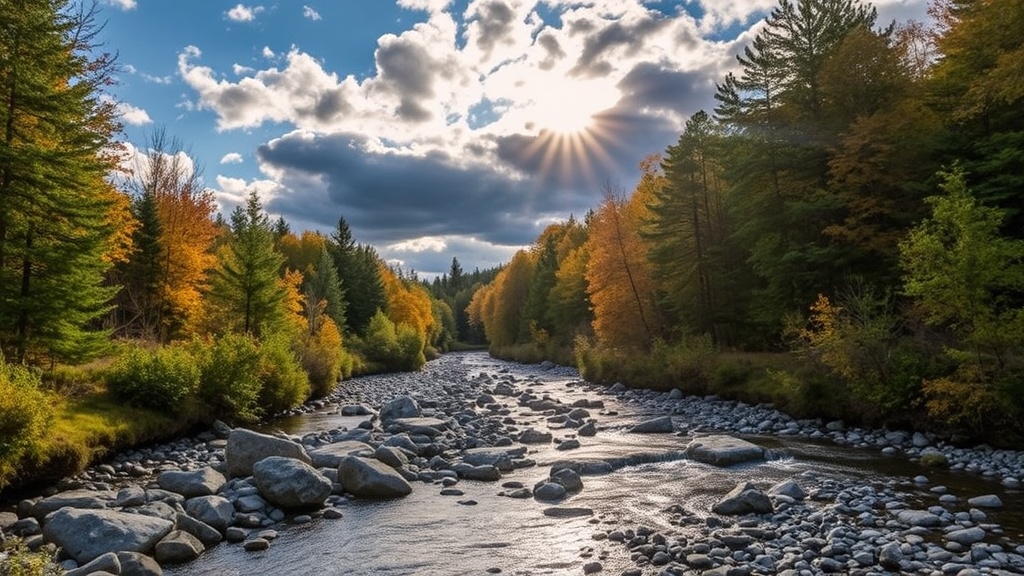
The Elora Cataract Trailway stands out because of its dual identity. It’s an ecological haven, winding through diverse habitats from dense forests and open meadows to marshlands, all while closely following the Grand River and the scenic Elora Gorge. You'll encounter a rich variety of birdlife, small mammals, and native plants, making it a favorite among nature photographers and birdwatchers. But beneath its natural beauty lies a fascinating history: the trail is built on the abandoned rail bed of the Credit Valley Railway, which once connected these communities and played a pivotal role in the area's development. Remnants of this railway era – old bridge abutments, subtle grading, and even some historical markers – quietly dot the path, offering subtle nods to the past for those who know where to look.
Its unique geology also contributes to its allure. As you traverse different sections, you'll notice variations in the landscape, from the dramatic limestone cliffs of the Elora Gorge to the gentler, rolling farmlands further east. The trail's generally flat and well-maintained surface, owing to its railway origins, makes it suitable for a wide range of activities and users, distinguishing it from more rugged, challenging terrain found elsewhere. This careful balance of natural diversity, historical depth, and user-friendliness truly sets the Elora Cataract Trailway apart as a prime destination for outdoor activity in our region.
How Can You Best Experience the Trailway?
Getting out onto the Elora Cataract Trailway is one thing; truly experiencing it is another. To make your visit memorable, a little preparation and insight go a long way. This isn't just about putting one foot in front of the other; it’s about engaging with the environment, respecting the trail, and understanding the nuances that make each season special. Whether you’re a seasoned cyclist, a casual walker, or someone looking for a peaceful escape, there are distinct ways to maximize your enjoyment.
For starters, consider your mode of transportation. While walking is always an option, the Trailway’s length makes cycling a popular choice for covering significant distances. The crushed limestone surface is ideal for hybrid bikes, mountain bikes, and even some wider-tired road bikes. In winter, when snow blankets the path, cross-country skiing and snowshoeing transform the trail into a serene, glistening corridor, offering a completely different perspective. Always dress in layers, no matter the season, and bring plenty of water – especially on warmer days, as shaded sections can give way to sun-exposed stretches. Sunscreen and insect repellent are also wise companions, particularly during the warmer months when the trail’s natural beauty is at its most vibrant (and bug-filled).
Another key aspect of experiencing the Trailway is understanding its various segments. The trail connects directly to Elora and Fergus, offering easy access to local shops and eateries if you’re planning a longer outing. Heading east, you’ll find that the landscape gradually shifts, becoming more secluded and rural as you approach Cataract. Some sections offer stunning views of the Grand River, while others immerse you in mature forests. To fully appreciate these variations, it’s a good idea to consult a map beforehand – the