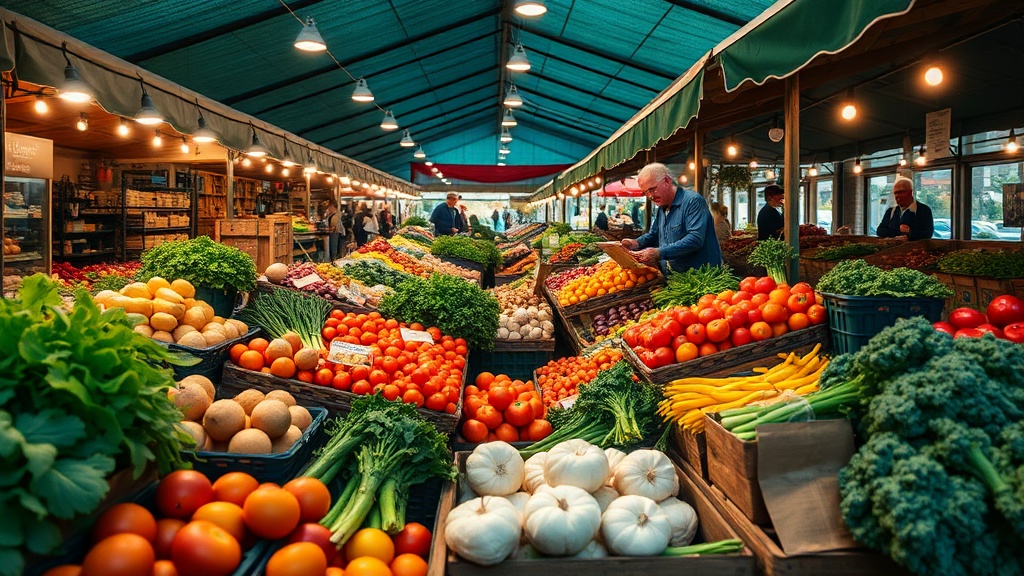
Exploring the Best Seasonal Harvest at Local Farmers Markets

Are you wondering when the best time is to shop for fresh produce in the Centre Wellington area? This post breaks down the seasonal availability of local crops, what to look for at our-local markets, and how to time your shopping trips to get the most flavor from our Ontario-grown goods. Understanding the seasonal rhythm of our local farms ensures you aren't paying premium prices for out-of-season produce that lacks taste.
What is in season in Centre Wellington right now?
The availability of produce depends entirely on the current month and the specific microclimates of Wellington County. In the peak of summer, you'll find a massive influx of stone fruits, berries, and nightshades like tomatoes and peppers. As we transition into autumn, the focus shifts heavily toward root vegetables, hearty greens, and orchard fruits like apples and pears.
Shopping seasonally isn't just about getting the best flavor; it's about supporting the local agricultural cycle. When you buy what is currently growing in our soil, you're getting food that was likely harvested within 24 to 48 hours of hitting the market stall. That's a massive difference compared to the produce sitting in a warehouse for weeks.
Here is a rough timeline of what you can expect to find at our local markets throughout the year:
- Spring (May - June): Fresh herbs, radishes, salad greens, and early spring onions.
- Summer (July - August): Sweet corn, heirloom tomatoes, cucumbers, berries, and zucchini.
- Autumn (September - October): Apples, pumpkins, squash, potatoes, and hearty kale.
- Winter (November - April): Root vegetables (carrots, beets), stored onions, and preserved goods like jams or pickles.
It's worth noting that many of our local farmers also offer "value-added" products during the off-season. If you can't find fresh strawberries in January, you can often find local-made strawberry preserves or dried fruit at the stalls. This keeps the local economy moving even when the ground is frozen.
How much does local produce cost compared to grocery stores?
Prices at local farmers markets vary based on current supply and demand, but you'll often find that seasonal staples are competitively priced or even cheaper than premium organic options at big-box retailers. While a single organic heirloom tomato might look expensive on a shelf at a high-end grocery store, buying a bulk basket of them at a local market during peak season is often much more economical.
The "cost" isn't just the sticker price, though. You're also paying for the quality and the lack of heavy transport-related carbon footprints. If you want to see the actual data regarding agricultural yields and seasonal shifts in Canada, the Canadian agricultural data often provides a baseline for how these cycles work across the provinces.
| Product Type | Typical Summer Price (Per Unit) | Typical Winter Price (Per Unit) |
|---|---|---|
| Strawberries | $4.00 - $6.00 / Pint | $8.00+ / Imported Pints |
| Sweet Corn | $0.50 - $1.00 / Ear | High / Not Locally Available |
| Carrots | $2.00 / Bunch | $3.50 / Bag |
Don't expect to find fresh, local peaches in February. If you see them, they've likely been shipped from the southern hemisphere or a distant greenhouse—which defeats the purpose of shopping local in Centre Wellington. Stick to the root vegetables and preserves during the colder months to keep your wallet and your conscience happy.
Where can I find the best farmers markets in Wellington County?
The best markets are the ones that feature a high density of diverse producers and consistent weekly schedules. In our region, you have several excellent options that cater to different needs, from fresh produce to artisanal baked goods.
The Fergus Farmers' Market is a staple for many of us. It has a long history and provides a reliable way to connect with producers directly. If you're looking for more specialized or smaller-scale interactions, keep an eye on smaller community-led pop-ups in the surrounding townships. These smaller events often have a more intimate feel—and you might even get to chat with the person who actually grew your dinner.
When visiting these markets, keep these tips in mind:
- Bring your own bags: Most vendors appreciate it, and it's better for the environment.
- Bring cash: While many vendors now take card or digital payments, a cash-heavy market is still common in rural areas.
- Arrive early: The best produce (and the best cuts of meat or baked goods) often sells out by mid-morning.
- Ask questions: Don't be shy. Ask how to cook that specific type of squash or how long the berries will stay fresh.
For those interested in the science of why local food tastes better, the Wikipedia page on Canadian Agriculture offers deep context on how our specific climate affects crop cycles. It's a fascinating read if you're a bit of a nerd about food systems.
If you're looking for specific items like high-quality oils or artisanal cheeses, you'll often find them at the more established markets. I've seen everything from local honey to small-batch sourdough. It's a great way to stock your pantry with items that aren't mass-produced.
One thing to remember: the weather can change a farmer's inventory overnight. A heavy frost or a particularly rainy week can mean the difference between a stall full of tomatoes and an empty one. I always suggest checking local community groups or social media pages before making a long drive to a specific market. It saves a lot of frustration.
The quality of the produce is almost always superior to the stuff in the plastic clamshells at the supermarket. You can actually smell the difference in the herbs. You can see the vibrancy in the colors. It’s a different experience entirely.
When you shop these markets, you aren't just buying a bag of apples. You're participating in the local economy. You're ensuring that the farms in our backyard can continue to operate for another season. That's the real value of the seasonal harvest.
If you're looking for a way to improve your cooking, start with the ingredients. A simple roast of seasonal vegetables and a bit of local butter is often better than any complex recipe. The ingredients do the heavy lifting for you.
Keep an eye on the calendars for the upcoming months. The transition from summer to autumn is particularly exciting for those of us in the Wellington area. The sheer volume of squash and apples available in September is honestly impressive.
Whether you're a seasoned market-goer or a newcomer, there's always something new to discover in our local food scene. The more you shop, the more you'll learn about what's truly "in season" and what's just a marketing gimmick.